Written by Savannah Desantis
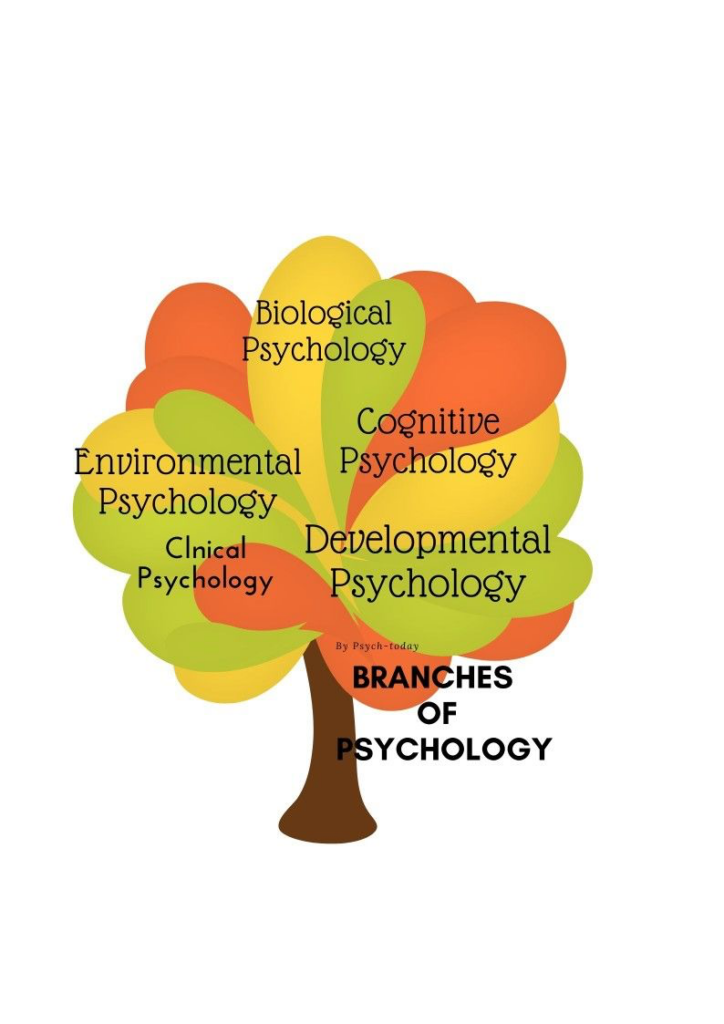
Psychology can be clinical, cognitive, developmental, social, counseling, physical, and even forensic. When declaring psychology as a major (along with many other disciplines), universities provide concentrations. A concentration allows students to narrow down what area of the study they want to pursue (career path). At Plymouth State, I am currently earning my B.S in psychology with a concentration in mental health. Although I am undecided as to what profession to pursue with my degree; I know I want to use my knowledge gained here at PSU to help others.
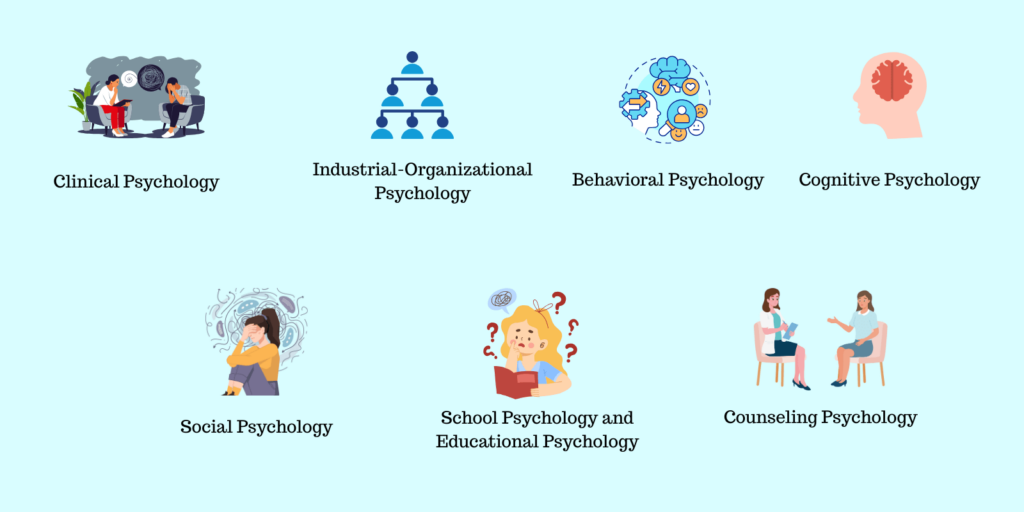
For an in-class activities, we were told to write down our major on a poster and how we would apply our discipline to museums. However, that wasn’t all. My group then had to think of ways we would apply our classmates’ majors to our majors and then brainstorm ways we could visualise those ideas at an exhibition. This activity gave my peers and me the opportunity to see that even though we are all different majors, all our disciplines are interconnected within each other, not just in museums, but in everyday life.
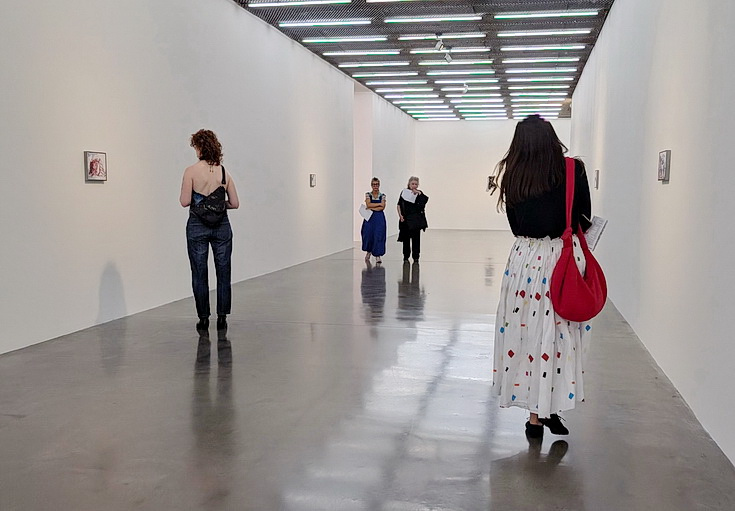
Another day in class, we were shown different slides of what current exhibits look like. Since the early 19th century, many museums have started applying the “White Cube”. Now, what exactly is the white cube theme? Think of it like this: if you were to walk into a museum, what would you see? Most likely, you would walk into a “big open space, surrounded by white walls and white ceilings” (Quiet Canvas Staff”). The purpose of the white cube is to lessen distractions, thus helping visitors focus solely on the artwork.
“We have now reached a point where we see not the art but the space first…An image comes to mind of a white, ideal space that, more than any single picture, may be the archetypal image of 20th-century art.” (O’Doherty).
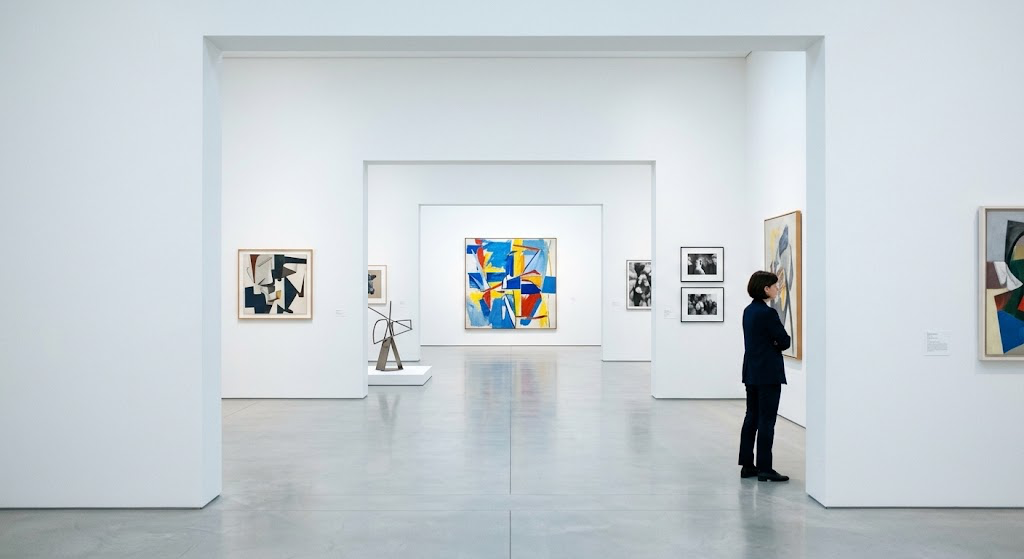
Psychologists visit museums to not only collect data, but to interpret why individuals visit exhibitions. The physical structure of the museum itself influences one’s mental well-being upon entering. Not only that, but the atmosphere inside the museum determines the amount of connection, socialization, and overall comfort guests will have when visiting. Museums are deemed to be a place where the public is welcomed. Many museums offer senior, student, and military discounts to encourage the public to come. However, big white open spaces have been proven to cause intimidation.
Museums are labeled as “a welcoming place for all public access.” However, its structure, both inside and outside, can prevent someone from walking in. Having an “open” museum without background knowledge on a topic/culture behind the art displayed can make one feel as if they “shouldn’t be there” and feel “out of place.” Now, what if you see others around you, who either have background knowledge or may just “look like they do”?
Hence, is why, a common museum stereotype is that they’re for the “exclusive” rather than being inclusive.
These examples listed are reasons to why individuals avoids museams, or is what causes visitors to walk out without gaining the exhibits full experience.
My Idea:
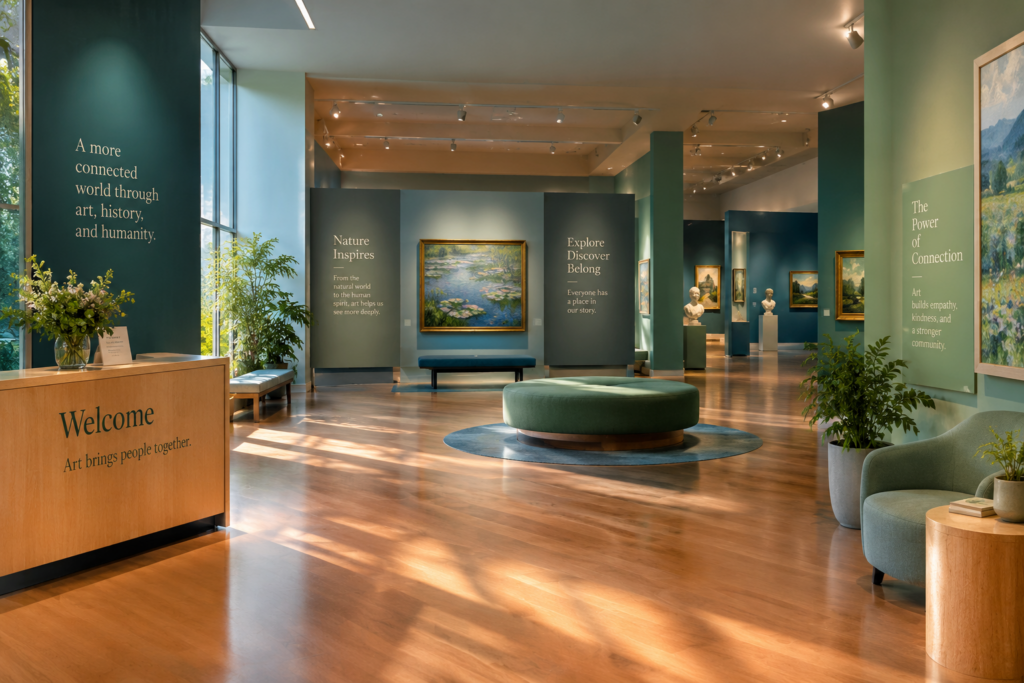
Now, the first thing that I would change (you probably already know the answer) is to debunk the all-white theme. Instead, I will have a museum filled with welcoming colors. Colors have been psychologically proven to affect both mood and behavior: “Blue & Green: These cooler colors are universally seen as calming, peaceful, and stabilizing.” Thus, exposure to cooler shades contributes to “positive, low-arousal, calming emotions” (“Villa Healing Center”).
The image below showcases how I would design a Museum, with help from ChatGPT:
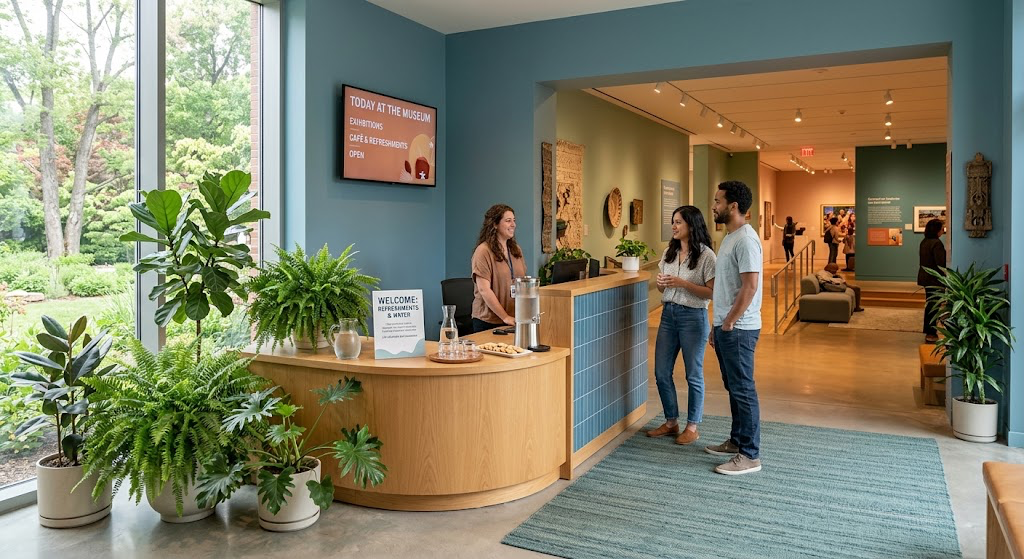
Environment influences behavior. An environment that is “cold” and intimidating will cause individuals to either walk out or, if they do go through the entire exhibit, due to heightened emotions, stress, or anxiety, will not be able to fully experience nor enjoy their visit/time at the museum. By having an opening space with calm, cool tones, visitors will feel welcomed as soon as they set foot inside.
Also, you may have noticed in the second picture, there are lots of plants. Plants symbolize peace and serenity. Lastly, the front desk offers refreshments. Promoting socialization and interaction between guests.
Comparing:
If you do not agree with me yet, look at these two images and tell me which one you would feel more comfortable walking into.
(Getty Images,“Museum”)
Final Thoughts:
Museums are a great place to learn about history, culture, science, math, and even language through artwork. Today, there is just about a museum for anything you can think of! Some museums are broad. Ex: history museums. Other museums focus solely on one topic. Such as a boat or car exhibition. However, museums will not get the publicity they deserve if the public does not feel comfortable entering.
When looking at museum statistics, psychologists study what stimuli and other factors within a museum cause visitors to feel uneasy, self-conscious, disconnected, and unwelcome. Visitors want to feel not only welcomed but included. Having a museum that is more comfortable makes forming connections at museums less awkward. Providing context for the artwork, rather than using the white cube, gives people who may not know the background information of a piece, from a specific era, the opportunity to learn, without feeling embarrassed.
Therefore, once these changes are made, it will transform how artwork is understood, valued, and remembered.
Leave a Reply